
Turning recycling into ESG-ready reporting
Most companies recycle. Far fewer can prove it on paper. Here is how weigh-and-report data closes that gap — and why auditors are starting to ask for it.
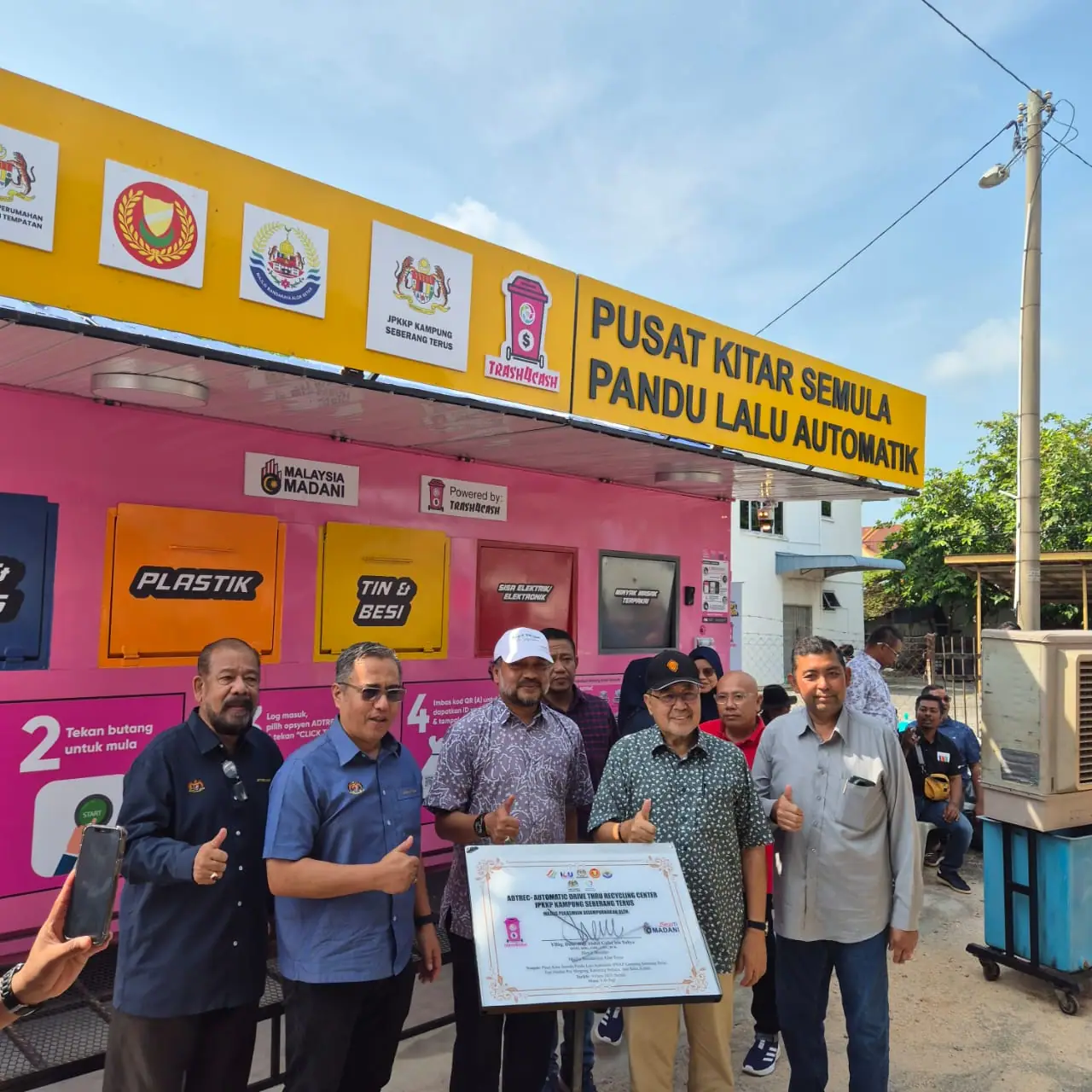
There is a moment every sustainability manager dreads: the auditor asks for the underlying data behind a recycling claim, and the honest answer is "we sent it to a collector — we think it was about three tonnes." That moment is becoming more common as ESG frameworks tighten, Bursa Malaysia's sustainability reporting requirements expand, and global supply chains start demanding verified environmental data from their Malaysian partners.
Recycling is one of the easiest wins on a company's waste-reduction scorecard — but only when the numbers are real.
Why estimates are not enough anymore
For years, companies got away with reporting recycling volumes based on bin counts, driver receipts, or rough estimates from the collector. Regulators and rating agencies are now drawing a clear line between aspirational reporting and verified reporting. Frameworks like GRI 306 (Waste), the SEC climate disclosure rules, and Bursa's enhanced sustainability guidelines all push toward material, traceable data. An estimate built on "we think each bin holds about 30 kg" will not survive a serious third-party audit — and it exposes the company to greenwashing risk if the figures ever get scrutinised.
The fix is not complicated. It just requires a collector who weighs the material at the point of collection and issues a document you can keep.
What weigh-and-report actually means
When Trash4Cash collects from a business — whether that is a door-to-door pickup, a RORO bin swap, or a smart bin clearance — every load is weighed and recorded. The output is a collection record that captures the date, location, material category (paper, plastic, metal, e-waste, used cooking oil, and so on), gross weight, and the verified total for the billing period. Those records are tied to your account, not a generic invoice number. They are the same records our operations team uses internally, which means there is no separate "reporting version" of the data — what you get is what actually happened.
For a business with multiple sites — say, a retail chain across Selangor, Perak, and Kedah — records can be consolidated by site, by region, or company-wide. That matters when you need to roll figures up into a group-level sustainability report without manually reconciling spreadsheets from five different collectors.
Building documentation your auditor will accept
Audit-ready documentation needs three things: it must be specific (actual weights, not estimates), it must be attributable (tied to your company name and sites, not a batch receipt), and it must be consistent over time (monthly or quarterly, not a one-off at year end). Trash4Cash's collection records satisfy all three. They are generated on every collection cycle, they reference your registered business details, and they accumulate across the full reporting period so you are not scrambling for data in December.
A few clients also use our Trash Audit service — a one-hour on-site walkthrough (RM 100) that reviews your current waste streams, identifies recyclable material you may be sending to landfill, and produces a baseline document you can reference in your ESG narrative. It is a useful starting point if you are building a waste section for the first time or need to justify a year-on-year improvement claim.
How clients are using this data in practice
Businesses in our network — including property developers, manufacturers, and retail operators — are using Trash4Cash collection records in a few consistent ways. First, as direct input into their GRI or Bursa sustainability disclosures: the weight figures go into the waste-diverted-from-landfill line without adjustment. Second, as supporting evidence for supply chain ESG questionnaires — increasingly common from multinationals who want proof, not a policy statement. Third, as internal benchmarks: comparing collection volumes quarter-on-quarter lets facilities teams track whether waste-reduction initiatives are actually working, rather than guessing.
One thing worth saying clearly: ESG reporting is not just a compliance exercise. Companies that can demonstrate real, improving waste metrics are building a credible story — for investors, for customers, and for the regulators who are paying closer attention every year. Starting with clean, verifiable recycling data is one of the lowest-effort, highest-credibility steps you can take.
If your business is ready to move from estimates to evidence, see how we work with corporate partners or get in touch to talk through what your reporting needs look like.
Ready to make your recycling count on paper?
We give corporate clients verified collection records, consolidated reporting, and the on-site support to build a waste programme worth reporting.